Do you feel discomfort in your gums or have you noticed that they bleed when you brush? Don't let periodontal problems ruin your smile! At ExpertSmile we offer you specialized attention
To meet your needs and preferences. At ExpertSmile we offer a wide range of periodontal treatments.
Our experience
Our team of certified periodontists are dedicated to providing you with the best care and results.
Our professionals at ExpertSmile have extensive experience creating smiles that change lives.
Technology
At ExpertSmile to make sure your treatment is successful, we use state-of-the-art technology and high quality materials.
You'll be asked
When is it necessary to see a periodontist?
The general dentist can treat some gum problems. But if you have worsening gum disease, a complex case or risk of tooth loss, the dentist will refer you to a periodontist. If you notice any of these common signs and symptoms of gum disease, make an appointment to see a periodontist.
Tooth sensitivity
Pain when ingesting hot or cold beverages or food
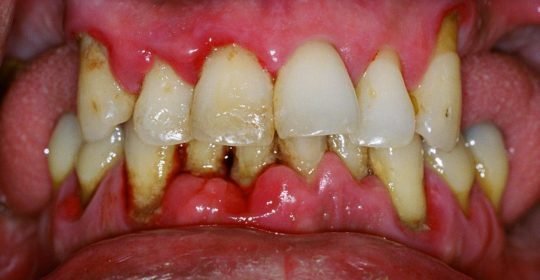
Swollen or bleeding gums
Whether spontaneously, when eating or during brushing and oral cleaning.
Halitosis
Prolonged bad breath.
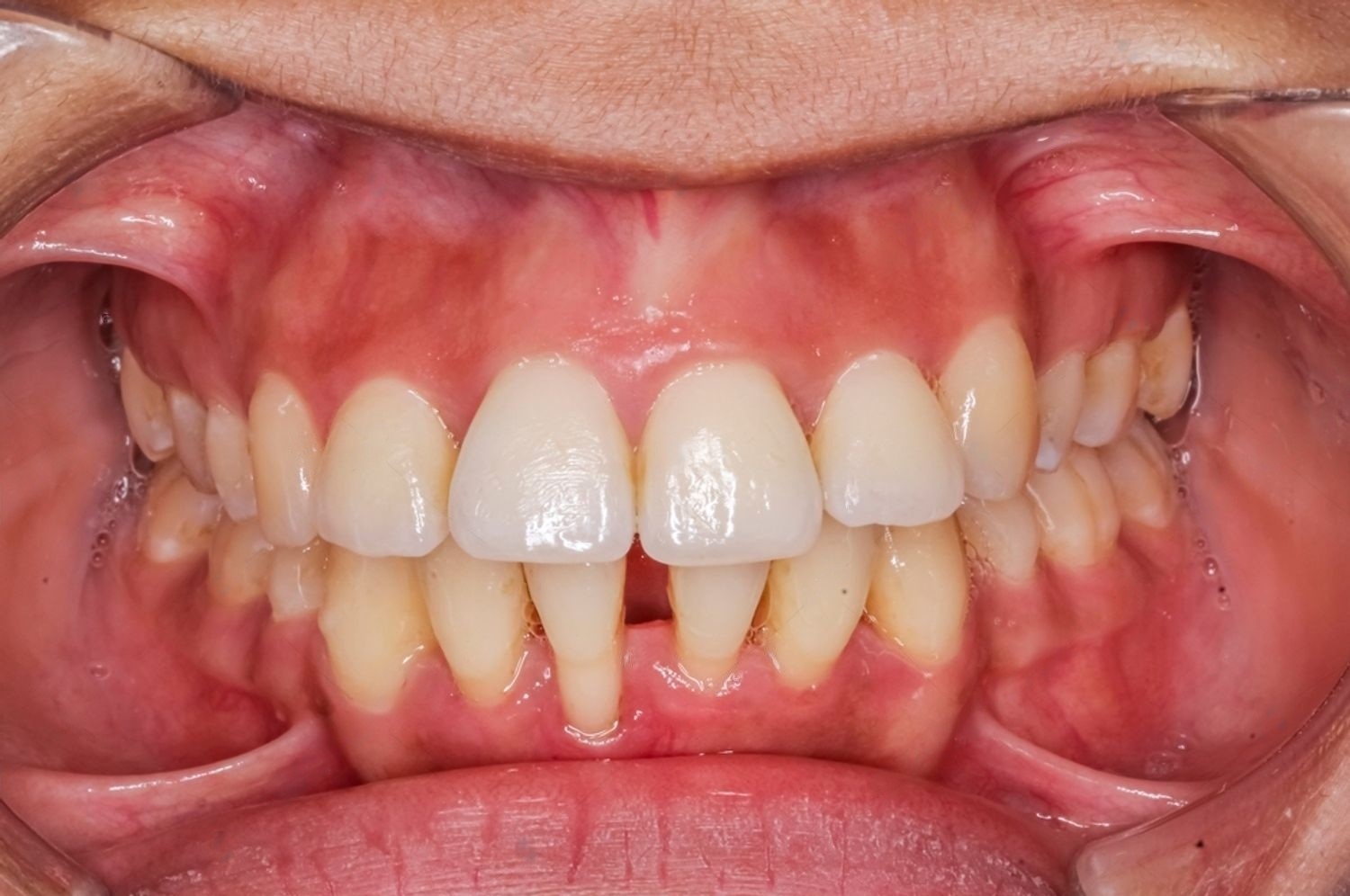
Receding gums
It manifests itself when the roots of the teeth are exposed.
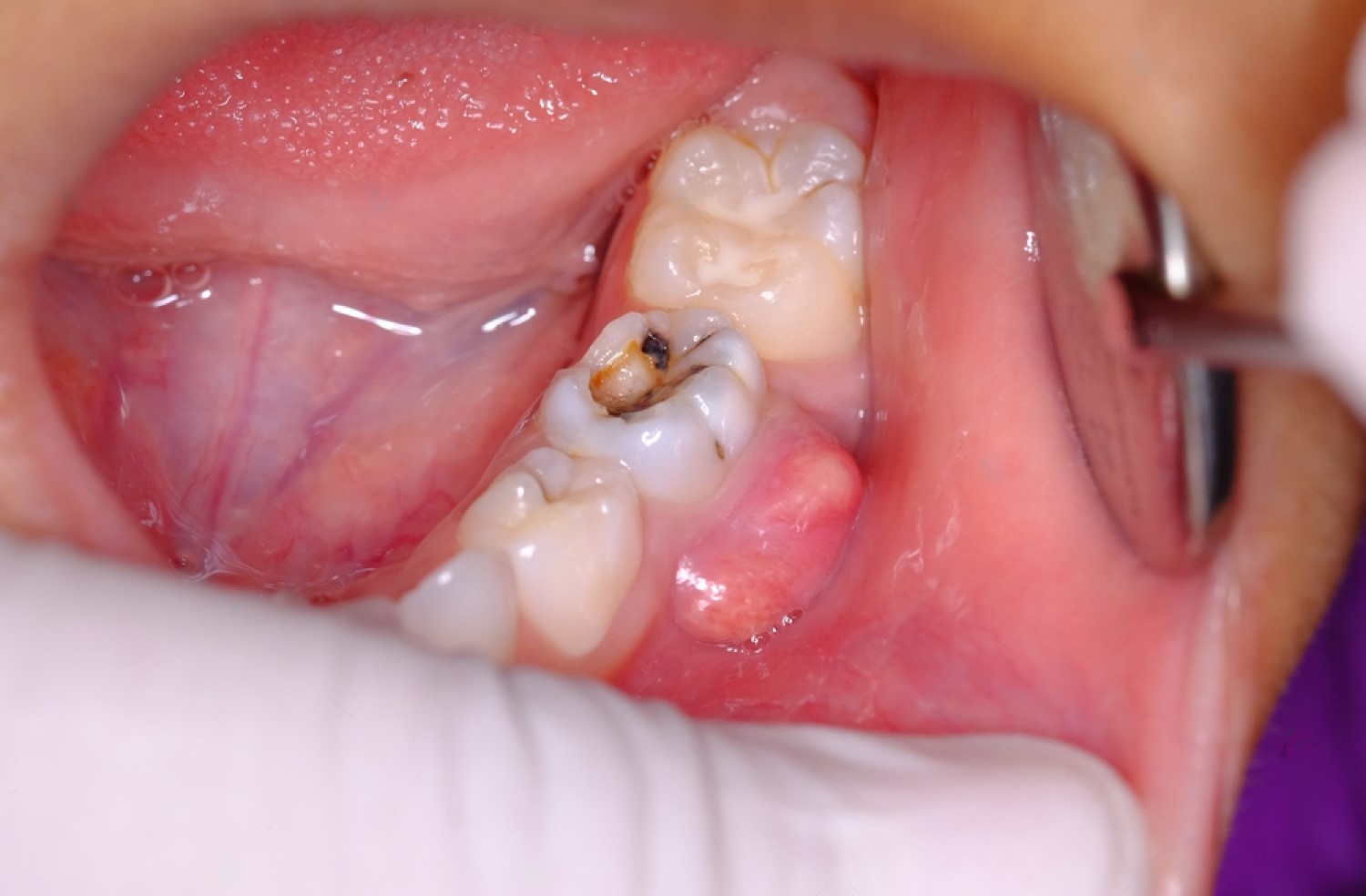
Gum infection
It manifests itself through pus or abscesses.
Diabetes
Diabetics are more prone to periodontal disease.
NOW YOU MAY BE WONDERING
What to expect from the periodontist?
When you visit us, you should tell us about any symptoms you have. You may be asked for personal information, such as health conditions and medications you take.
He will review your medical history to identify any factors that may be contributing to your symptoms.
He will perform an oral examination to check for bleeding gums and look for plaque and tartar buildup.
It will measure the depth of the gum pocket, or the space between the gums and teeth.
Take X-rays to check for bone loss.
These tests help them create a periodontal treatment plan. Your periodontist, a dentist or a dental hygienist may be part of your treatment. Antibiotics or a thorough cleaning usually control the early stages of gum disease. More advanced cases may require surgery.